
AI and the Leadership Pipeline Risk
As organizations increasingly adopt AI, leadership teams optimizing for productivity today may discover a decade from now that they’ve weakened the succession and leadership pipeline they once took for granted.
An Anthropic study published March 5 analyzing Claude usage, along with related labor-market analysis cited by Sakeeb Rahman, highlights an emerging shift: hiring into highly AI-exposed occupations has slowed, especially among workers aged 22–25.
In other words, companies don’t appear to be laying off experienced professionals in large numbers. Instead, they’re reducing junior roles. And while that may produce a short-term productivity gain, it introduces a longer-term risk.
LLMs train on written material: books, articles, code, and internet text. But much of what makes organizations and their leaders successful is knowledge that’s never written down. Those tacit capabilities are exactly what leadership is built on:
- Institutional knowledge and organizational memory
- Relationships and trust built over time
- Judgment and discernment when evidence is incomplete
- Mentorship and the chance to observe experienced leaders in action
None of these develop instantly. They can’t be taught through online training modules or LLMs. They require time, repetition, feedback, and progressively greater responsibility.
Leaders who understand this must be intentional about creating paths for emerging talent to acquire these capabilities, even as AI handles more of the mechanical work.
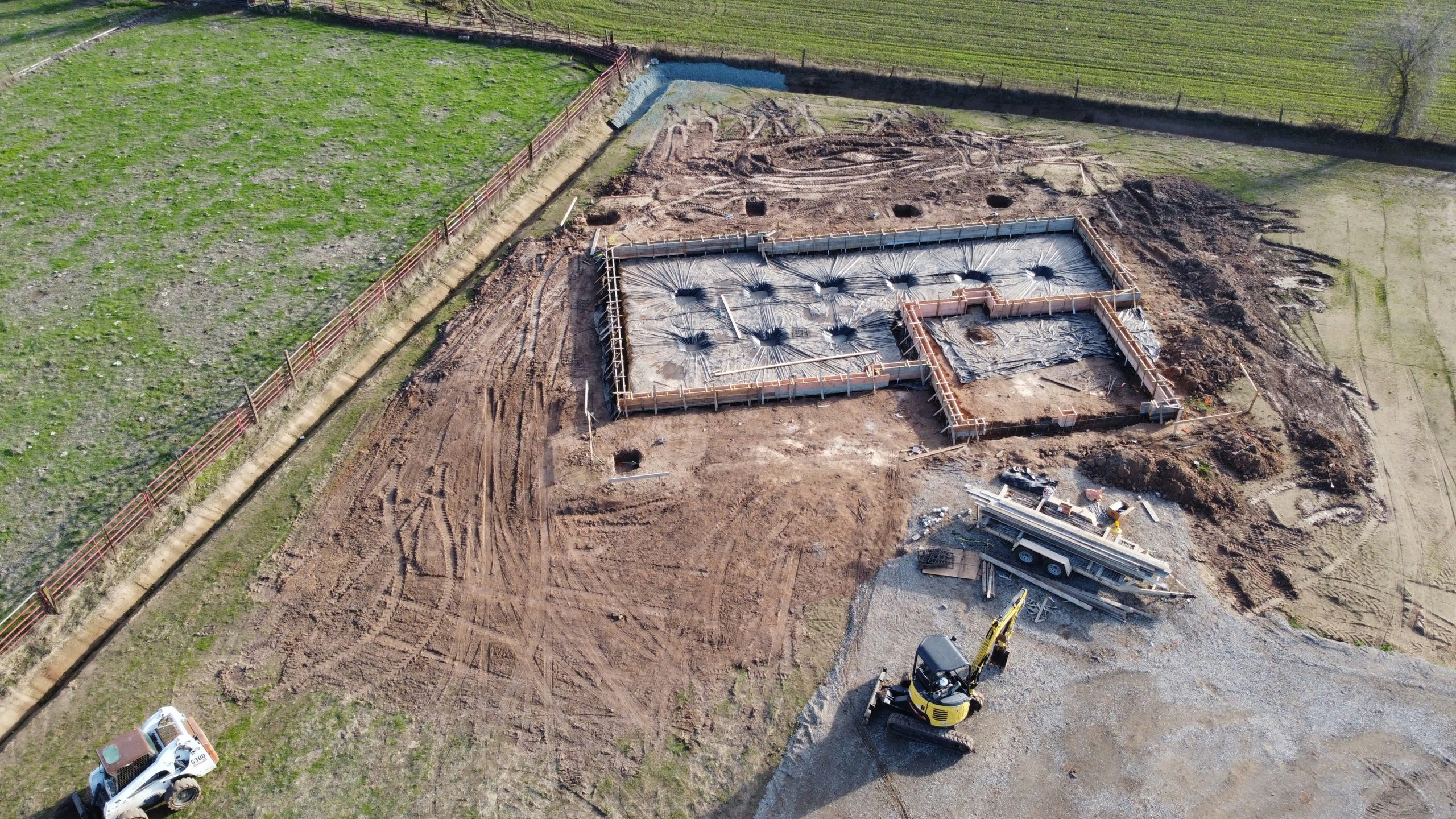
If they don’t: how long can a house without a solid foundation stand?
Photo by Scott Blake on Unsplash
