
Valued, Not Manipulated
What a Michelin-level restaurant group and a Disney cruise ship reveal about hospitality and customer loyalty,
Over the past month, I had two very different hospitality experiences: consecutive nights at Gracious Hospitality venues in New York, and my first Disney cruise.
On paper, they have almost nothing in common. Gracious Hospitality Management operates high-end dining concepts across multiple markets. Disney Cruise Line moves thousands of people simultaneously through weather, logistics, customs, entertainment, housekeeping, food service, childcare, and crowd flow.
Yet both left me thinking the same thing: the best hospitality operators make customers feel valued, not managed.
That sounds obvious, but it’s increasingly rare. Too many consumer experiences today leave people feeling optimized against: understaffed around, nudged toward the upsells, keenly aware of the transaction itself.
The strongest hospitality experiences create the opposite effect. You come away with the sense that you received more care, continuity, and thoughtfulness than the economics alone would suggest.
Different Systems, Same Outcome
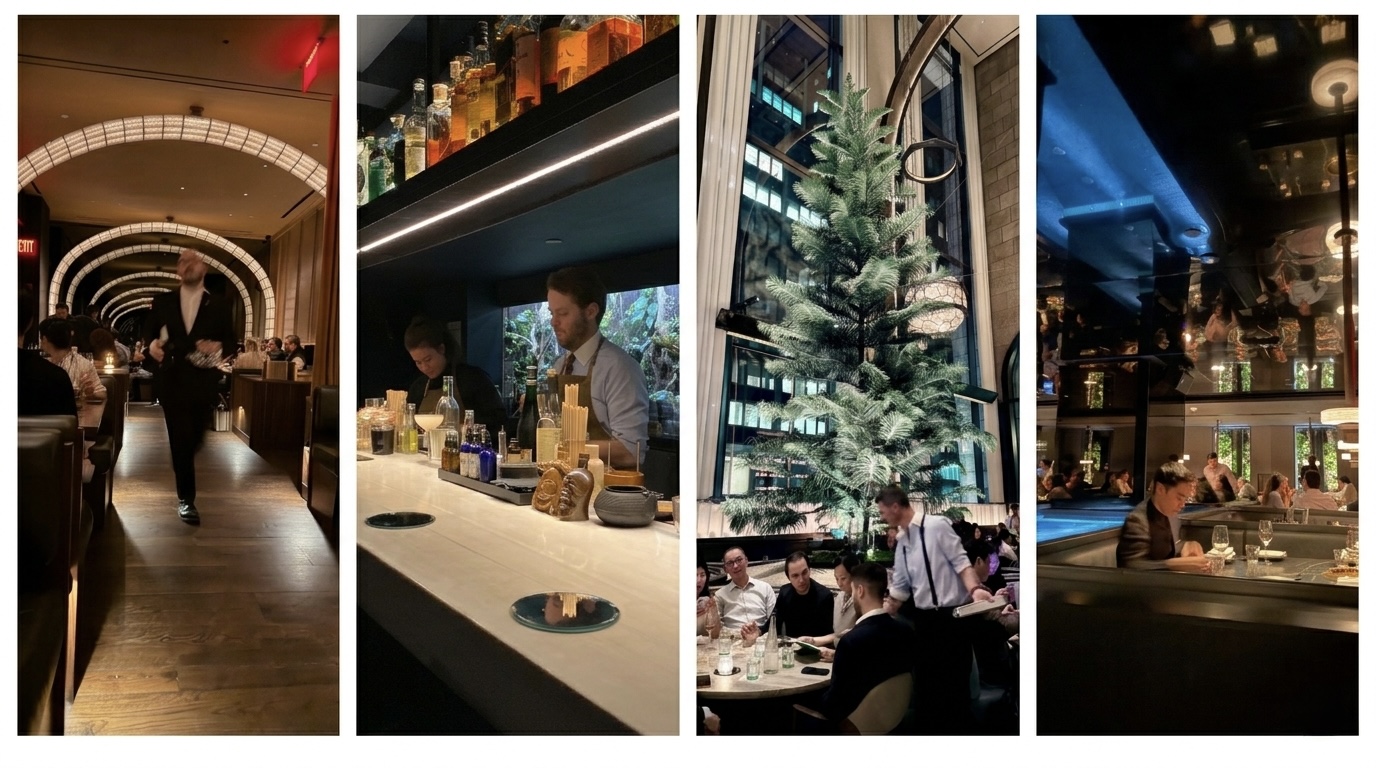
At Gracious Hospitality, that showed up in the service choreography. Someone was always aware of the table, whether they were technically “our” server or not. The spaces themselves unfold in stages. Bar Chimera has a cathedral-like scale. COTE 550 feels intimate and lush directly below it. COQODAQ feels like a party. None reveals itself all at once.
What stood out most, though, was that every table felt like it mattered. In many hospitality environments, the room’s energy shifts visibly when a VIP or celebrity walks in. Here, it didn’t. You never felt like you were competing for attention or occupying secondary space in someone else’s experience. The hospitality remained consistent, confident, and deeply personal throughout.
Disney approached its challenges differently. The rotational dining system is the smartest thing on the ship. While you move to a different restaurant each night, your server team moves with you. By the second evening, they already know how you like your meal paced, what you’re drinking, and whether you have dietary preferences. On a vessel carrying thousands of guests, dinner still feels personal.
The scale of the operational challenge is staggering. A restaurant group operates within relatively controlled conditions. A cruise ship has to be prepared for weather changes, medical issues, supply constraints, rough seas, crowd flow, customs, and the reality that thousands of people cannot simply leave if something goes wrong.
And yet the emotional outcome was remarkably similar. In both environments, you felt carried through the experience rather than managed through it.
Why Restraint Builds Trust
One thing Disney did especially well surprised me: restraint. Upsells were everywhere if you wanted them: Spa treatments. Private cabanas. Specialty dining. Cocktails. Shopping. Tastings. Yet they were never pushed. You could have a genuinely exceptional experience simply taking the cruise as it came.
That restraint is its own form of respect.
Consumers are extraordinarily sensitive to environments where every touchpoint feels monetized. They know when they’re being funneled toward spend optimization rather than hospitality. The same dynamic exists far beyond travel and restaurants. Retail, entertainment, SaaS, consulting, and media businesses all face versions of the same tension.
Loyalty Should Feel Reciprocal
Both experiences also reinforced something important about hospitality and customer loyalty: it works best when it feels reciprocal.
We return to places that reward our loyalty with their own. The ones that remember preferences, extend care to friends we send in, and make sure we know we’re valued. Even understanding the economics, the experience still feels human.
For leaders, the lesson is timely. Consumers are under real economic pressure right now. They’re remarkably good at sensing the difference between a business built to extract and one built to earn trust. The businesses that will continue to win are the ones that leave customers feeling glad they chose to spend their money there.
